





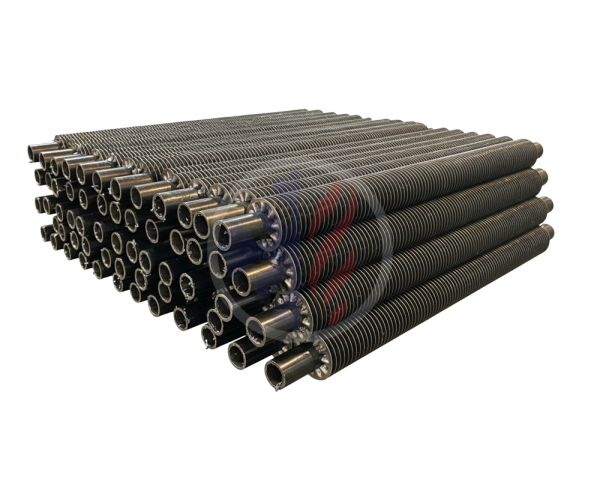
Finned Tube
What is a Serpentine Coil? Serpentine Technologies in Industrial Heating and Cooling Systems
From industrial production processes to HVAC systems, the serpentine coil is one of the most fundamental components of modern engineering, acting as a critical factor in determining the efficiency of heat transfer operations. In its simplest definition, a serpentine is a coiled or twisted pipe mechanism essential for heating and cooling systems, used to bring the fluid (liquid or gas) passing through it to the desired temperature level. These systems derive their name from the serpentine stone, found in nature and known for its resistance to high temperatures. Although the geological mineral known as serpentine and industrial serpentine heaters are conceptually different, their common characteristics are high thermal resistance and flexibility.Serpentine Heaters and Technical Varieties
Serpentine systems are manufactured using various metal alloys depending on the requirements of the application area. The most preferred materials in the manufacturing process include copper, carbon steel, and stainless steel tubes. To increase the heat transfer surface area and maximize efficiency, aluminum or steel fins are added to these tubes.- Material Selection: While copper and steel combinations are generally used in heating systems; models supported by stainless tubes stand out in fields requiring hygiene and corrosion resistance, such as the food or chemical industries.
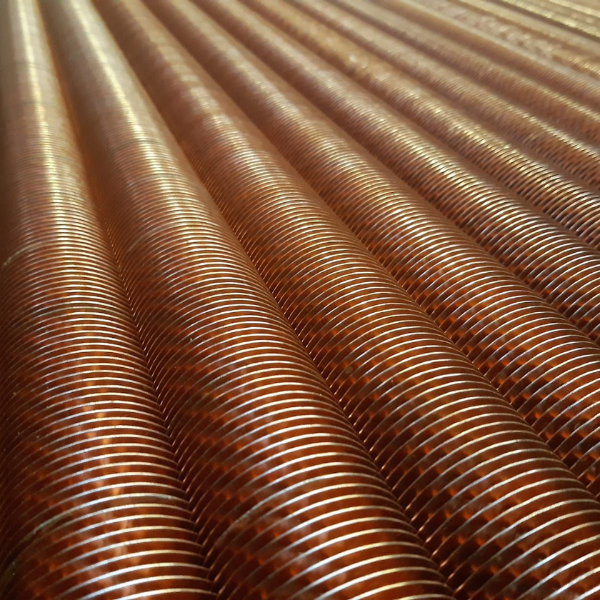
- Fin Technologies: Spiral-finned, integral-finned, and plate-fin serpentine types expand the surface area in contact with air, ensuring the highest efficiency with the lowest energy consumption.
Industrial Application Areas and Serpentine Boilers
Serpentine boilers and thermal oil systems are among the most common areas where serpentine technology is utilized. In large-scale industrial machinery, power plants, and textile factories, stainless alloy boiler coil tubes are used to ensure safe operation at high temperatures. Specifically in thermal oil boilers, the serpentine winding principle is applied to achieve excellent insulation and heat transfer. This method is recognized as an economic solution that provides significant energy cost savings for businesses. Additionally, in air handling units (AHUs) where air must be heated, heating coils integrated with steam, hot water, or electrical systems determine both climate comfort and industrial process precision.Serpentine Manufacturing and Engineering Calculations
Serpentine manufacturing is not merely a pipe-bending process; it is an engineering discipline requiring expertise and precise calculation. The following criteria are considered during the manufacturing stage:- Number of Rows: While 1-2 row designs are usually sufficient for heating groups, 2, 4, or 6-row manufacturing is performed for cooling groups and AHUs, depending on the cooling load.
- Pressure Resistance: In high-pressure applications such as steam coils, it is vital that the tubes successfully pass pressure tests of 16 bar and above.
- Tube Type: While seamless steel tubes offer advantages in terms of investment costs for steam, hot water, or oil systems; stainless steel tubes should be preferred for systems where longevity and corrosion resistance are expected.
Geological Perspective: Serpentine Mineral and Safety
In the industry, the term “serpentine” defines not only metallic pipes but also magnesium-rich silicate minerals. This mineral, known for its greenish color, is formed by the hydrothermal transformation of rocks in the oceanic crust. While this stone is used in the construction industry for thermal insulation and fire safety, it should be noted that some types, such as chrysotile, may contain asbestos. However, there is no such health risk in the metallic heat exchanger coils produced by industrial solution providers like Fintherm; metallic structures comply with fully safe and eco-friendly production standards.Project Process
Product Photos



Frequently Asked Questions
01.
What is a serpentine coil and what is its main function?
A serpentine coil is a system of tubes with a coiled or finned structure to maximize the heat transfer surface area. Its primary function is to transfer heat from the fluid passing through it to the surrounding environment, or to draw heat from the surrounding environment into the fluid, thereby providing heating or cooling.
02.
What is the difference between a Serpentine Coil and a Heat Exchanger?
A heat exchanger is the general name for the device that facilitates heat transfer. A serpentine coil, on the other hand, is the tube bundle component that is either integrated within these devices or performs heat transfer as a standalone unit.
03.
What factors determine the pricing of finned tubes?
Pricing is calculated based on the type of material used (copper, stainless steel, steel), tube diameter, fin configuration, and the operating pressure the system must withstand.
04.
What are the advantages of finned tube heat exchangers?
Finned tube technology accelerates heat transfer by increasing the external surface area of the tube by 10 to 20 times. This significantly multiplies performance while reducing equipment size, particularly in air-cooled or air-heated systems. At Fintherm, we offer various fin types such as L, KL, G, and Extruded, which are optimized based on the specific temperature and durability requirements of your project.
05.
What causes efficiency loss in finned tube heat exchangers?
The most common causes of efficiency loss include scaling (fouling) on the tube surface, accumulation of dust and debris between the fins, and the deterioration of the thermal bond between the tube and the fin over time. Additionally, the formation of air pockets or condensate buildup within the system significantly obstructs heat transfer. Regular maintenance and selecting the correct type of finned tube can prevent these losses.
06.
Why is condensate drainage important in steam Finned Tubes?
Buhar serpantinlerinde buhar soğuduğunda sıvı hale (kondens) geçer. Eğer bu sıvı tahliye edilmezse boru içinde birikir ve ısı transfer alanını kapatır. Ayrıca "koç darbesi" denilen mekanik şoklara neden olarak boruların patlamasına yol açabilir. Bu nedenle çıkış hattında mutlaka uygun bir kondenstop (buhar tuzağı) kullanılmalıdır.
07.
What is the difference between elliptical (oval) and round finned tubes?
Elliptical coils feature an aerodynamic design, offering 20-30% lower air resistance compared to round tubes. This allows fans to consume less energy while eliminating inefficient 'dead zones' behind the tubes. Consequently, they deliver high thermal efficiency, particularly in air handling units with narrow cross-sections.
08.
What is the service life of finned tubes, and how should they be maintained?
With proper material selection and periodic maintenance, the service life of a finned tube coil can range from 10 to 20 years. During the maintenance process, fin gaps should be cleaned using compressed air or appropriate chemicals, leak tests should be conducted, and internal scale buildup must be removed using acidic descaling methods.