





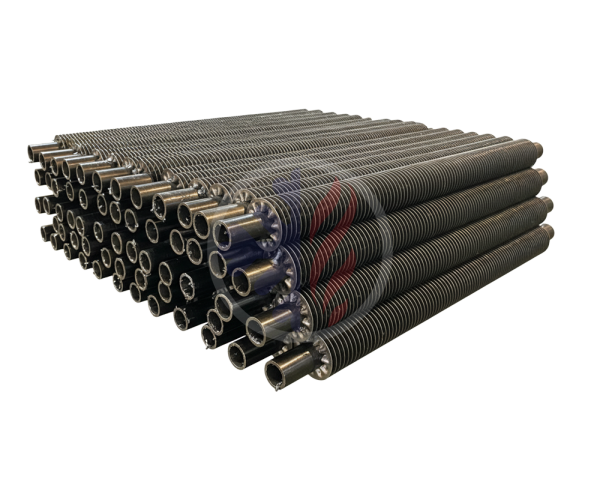
Finned Tube
What is a Serpentine Coil? Serpentine Technologies in Industrial Heating and Cooling Systems
From industrial production processes to HVAC systems, the serpentine coil is one of the most fundamental components of modern engineering, acting as a critical factor in determining the efficiency of heat transfer operations. In its simplest definition, a serpentine is a coiled or twisted pipe mechanism essential for heating and cooling systems, used to bring the fluid (liquid or gas) passing through it to the desired temperature level.
Serpentine Heaters and Technical Varieties
Serpentine systems are manufactured using various metal alloys depending on the requirements of the application area. The most preferred materials in the manufacturing process include copper, carbon steel, and stainless steel tubes. To increase the heat transfer surface area and maximize efficiency, aluminum or steel fins are added to these tubes.
- Material Selection: While copper and steel combinations are generally used in heating systems; models supported by stainless tubes stand out in fields requiring hygiene and corrosion resistance, such as the food or chemical industries.
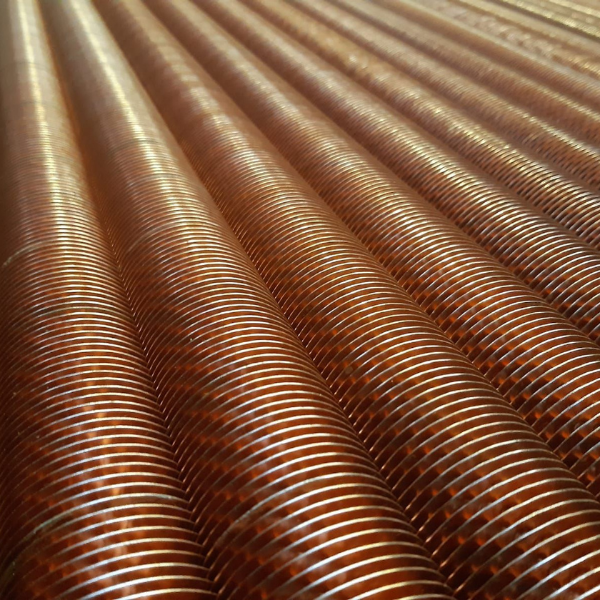
- Fin Technologies: Spiral-finned, integral-finned, and plate-fin serpentine types expand the surface area in contact with air, supporting heat transfer between the fluid and the air.
Industrial Application Areas and Serpentine Boilers
Serpentine boilers and thermal oil systems are among the most common areas where serpentine technology is utilized. In large-scale industrial machinery, power plants, and textile factories, stainless alloy boiler coil tubes are used to ensure safe operation at high temperatures.
Heating coils can be used in air handling units, drying systems and industrial processes. The design depends on the fluid, temperatures, flow rates, operating pressure and required heating or cooling capacity.
Serpentine Manufacturing and Engineering Calculations
Serpentine manufacturing is not merely a pipe-bending process; it is an engineering discipline requiring expertise and precise calculation. The following criteria are considered during the manufacturing stage:
- Number of Rows: The number of tube rows is calculated according to capacity, air flow, available space and allowable pressure drop.
- Pressure Resistance: Design and test pressures are determined by the project operating conditions and applicable standards. Use the project-specific technical specifications when selecting a product.
- Tube Type: While seamless steel tubes offer advantages in terms of investment costs for steam, hot water, or oil systems; stainless steel tubes should be preferred for systems where longevity and corrosion resistance are expected.
Project Process
Product Photos



Frequently Asked Questions
01.
What is a serpentine coil and what is its main function?
02.
What is the difference between a Serpentine Coil and a Heat Exchanger?
03.
What factors determine the pricing of finned tubes?
04.
What are the advantages of finned tube heat exchangers?
05.
What causes efficiency loss in finned tube heat exchangers?
06.
Why is condensate drainage important in steam Finned Tubes?
07.
What is the difference between elliptical (oval) and round finned tubes?
08.
What is the service life of finned tubes, and how should they be maintained?